Introduction
When it comes to creating a beautiful and functional outdoor space, selecting the right materials is crucial. Whether you’re building a patio, deck, garden, or other outdoor features, the materials you choose can impact both the aesthetic appeal and the long-term durability of your space. In this blog, we’ll guide you through the best options for various outdoor projects, helping you make the right choices for your home.
Choosing the Right Stone
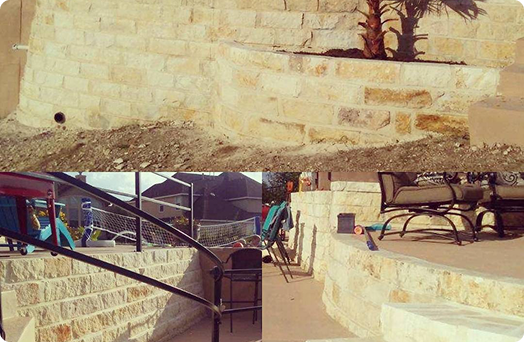
Natural stone is a popular choice for patios and walkways due to its durability and timeless appearance. Options like granite, slate, and limestone can provide a stunning visual appeal, while also standing up to the elements. When selecting stone, consider factors such as color, texture, and maintenance requirements to ensure it complements your overall design.
Selecting Wood for Decks
The type of wood you choose for your deck can greatly influence its longevity and performance. Pressure-treated lumber, cedar, and composite materials each have their pros and cons. Pressure-treated wood is cost-effective and highly durable, while cedar offers natural resistance to decay. Composite options provide low maintenance and come in a variety of colors, making them a versatile choice for modern outdoor spaces.
Wood: Warmth and Versatility
Wood is a classic material that adds warmth and charm to any outdoor area. It’s commonly used for decks, pergolas, and fences. Cedar and redwood are popular for their natural resistance to decay, while pressure-treated wood is another great option for budget-conscious homeowners.
- Pros: Versatile, classic look, relatively easy to work with
- Cons: Requires regular maintenance, can warp or rot over time if not properly treate
Composite: Low Maintenance, High Style
Composite materials combine the beauty of wood with the durability of synthetic materials. They’re commonly used for decks and outdoor furniture because they’re easy to maintain and come in a wide variety of colors and textures. Plus, composite materials are often made from recycled content, making them an eco-friendly choice.
- Pros: Low maintenance, resistant to mold and mildew, eco-friendly options available
- Cons: Can be more expensive than wood, may fade over time with exposure to the sun
Steel: Strength and Modern Aesthetic
For projects requiring strength and a sleek, modern look, steel is an excellent option. Steel is commonly used in custom structures like pergolas, railings, and outdoor furniture. It provides a clean, industrial aesthetic and is incredibly durable, resisting wear and tear over time.
- Pros: Extremely durable, resistant to weather and pests, modern look
- Cons: Can rust over time without proper treatment, higher initial cost
Wood: Timeless Warmth and Versatility
Wood offers a classic and warm aesthetic that enhances any outdoor space. Ideal for decks, fences, and furniture, wood is versatile and can be treated to suit various design styles. With proper maintenance, wood can last for many years.
Pros: Natural beauty, good insulation properties, easy to work with
Cons: Requires regular maintenance, susceptible to rot and insects
Aluminum: Lightweight and Corrosion-Resistant
Aluminum is a lightweight metal that is highly resistant to corrosion, making it suitable for outdoor use. It’s perfect for structures like awnings, outdoor furniture, and railings. Aluminum can be finished in various colors and styles, adding a modern flair to any space.
Pros: Lightweight, low maintenance, resistant to rust
Cons: Can be dented easily, may not have the same aesthetic appeal as wood or steel